We are at an unprecedented inflection point within the tech sector, especially within AEC, from the much-needed federal funding for infrastructure to the confluence of exponential technological growth. Within AEC, we can now access multiple services and leverage AI, visualization, and data science. Here is an example I bring together: design, artificial intelligence, GIS, and visualization. An engineer can access all this from within a design environment of their choosing and view the results in a web browser. I connect Google Maps, Google Street View, Google’s experimental 3D tiles, and OpenAI’s Chat GPT here. All these services are accessible within the design environment.
-
Data are everywhere these days, right? But sometimes, it’s like having all this data with no real way to make sense of it. It’s like being out at sea and not having any water to drink! Well, here’s where things get interesting! In this cool Proof of Concept, I connect a bunch of different Map Application Programming Interfaces (API) APIs with OpenAI’s Large Language Model. What does that mean? It means that engineers like you can now access a whole bunch of different data sources right within your preferred design software. And hey, I even get the Street Views from Google Maps! Check out the video below to see just how powerful this combination can be!
-
Below is an annotated bibliography few of my articles:
Stephen, A. (2023, February 1). Digital Twins ain’t no Doppelgängers. Civil + Structural Engineer Magazine. https://csengineermag.com/digital-twins-aint-no-doppelgangers/
The article begins by discussing the concept of doppelgangers and how it relates to the idea of Digital Twins. It points out that while doppelgangers are often seen as rare, there is a significant chance of encountering exact lookalikes in a world with a large population. This leads to the author’s main point that Digital Twins, despite being a popular and sometimes misunderstood term, are not as mysterious as they may seem. The article defines Digital Twins as virtual representations of real-world entities and processes, synchronized at a specified frequency and fidelity. It emphasizes the importance of considering end-users, whether human or software, when evaluating the accuracy of Digital Twins. The author delves into the world of engineering and quality management systems (QMS), highlighting that most engineering work products are still analog artifacts, even in a digital age. They point out the gap in QMS when digital models are not considered legal documents, leading to potential issues in construction projects. The article introduces the concept of creating virtual representations of assets and processes using Bentley Systems’ iTwin platform, which helps bridge the gap between physical infrastructure and digital models. Federation and synchronization, common practices in the Architecture, Engineering, and Construction (AEC) industry, are explained in the context of Digital Twins. The article stresses that successful Digital Twins should not only represent assets but also mirror real-world processes. It uses the example of mapping QMS processes from the analog to the digital world, emphasizing the importance of Quality Control and Quality Assurance. In conclusion, the article demystifies Digital Twins by highlighting their practical applications in the engineering and design fields. It emphasizes that Digital Twins are not mystical concepts but rather representations of assets and processes that facilitate access to crucial information for everyday use.
Stephen, A. (2022, September 7). Yes, we are all Innovators Anand. BIM Summit. https://issuu.com/bimcoordinatorsummit/docs/bcs22_magazine/84
The term “innovator” has recently become overused and glorified, discouraging every day innovators. The author suggests a more moderate stance on the word and aims to awaken the inner innovator by de-fetishizing it. They emphasize the need for collective innovation in the Architecture Engineering and construction (AEC) industry to solve complex problems efficiently. The author argues that we often attribute innovations to single individuals, but in reality, they result from interconnected minor innovations. Elon Musk, for example, acknowledges the contributions of many others to his innovations. The goal is not to diminish the value of crucial innovators but to encourage everyone to become innovators by devaluing the term. The word “innovator” traces its origins to the Latin verb “innovare,” meaning “to renew, restore” or “to change into new.” AEC professionals inherently innovate by changing materials and creating something new or restoring it. The author advocates for a shift in mindset, emphasizing that we all must collectively become innovators to address unprecedented challenges. They propose two ways to awaken the inner innovator: learning shamelessly and listening empathetically. The author’s story of their grandmother teaching them Calculus showcases the value of shameless learning and empathetic listening. Their grandmother’s example of learning purely for the joy of it and looking up unfamiliar words in the dictionary serves as a lesson in shameless learning. Additionally, the experience of listening to her problem-solving methods demonstrates the importance of empathetic listening. In conclusion, the author encourages individuals in the AEC industry to embrace a more moderate view of innovation and to become innovators by rediscovering the joy of learning and listening empathetically. These approaches can help solve complex problems more effectively and make innovation an everyday practice.
Stephen, A. (2021, May 1). Shifting the Needle: Increasing BIM adoption for Horizontal Infrastructure Design, a Long-range View. Civil + Structural Engineer Magazine. https://online.flippingbook.com/view/618715940/35/?sharedOn=
Leverage is crucial for achieving more with fewer resources in the infrastructure industry. Building Information Modeling (BIM) adoption in horizontal infrastructure design is essential to address existing deficits. We can increase BIM adoption by incorporating information modeling principles and data exchange standardization in engineering education. Embracing open-source initiatives can also unlock the untapped potential of existing infrastructure data. By adopting these strategies, the engineering community can work towards more efficient and sustainable infrastructure development.
Stephen, A. (2021, February 4). A Case for Computational Design: A Systems Perspective. AUGIWORLD. https://issuu.com/augi/docs/aw202102hr
Computational Design is vital to developing resilient systems and should become part of our toolbox. Comparing a simple system above shows us the importance of adding a computational design to our toolbox. It dramatically minimizes the steps required to respond to an external force. The difference gets even more exaggerated when the complexity of the system increases. Through an example, the author illustrates a systems approach. Users can classify the report as the output, the steps to accomplish the task as resources, and the change in topography as an external impact on the system. A resilient system responds to changes by consuming fewer resources without altering the form of the system.
Stephen, A. (2020, November 1). Empowering a Paradigm Shift: MicroStation to Civil 3D. Autodesk University. https://www.autodesk.com/autodesk-university/class/Empowering-Paradigm-Shift-MicroStation-Civil-3D-2020#handout
Moving from a MicroStation to a Civil 3D platform is a shift. We will review the data presented to senior leadership, arming them with information to make the switch. Not all projects are equal; hence, we will discuss the types of projects that are suitable for the change. Equally, teaching data management, BIM principles, and Civil 3D is key to a successful platform migration. We will cover the pedagogical theory and techniques used to empower users with new skills. We will consider key strategies to facilitate this shift across different offices in the United States. Data is central to a Civil 3D project. We will examine the data management tools and techniques used to make the learning curve less steep. This will include types of data that are typically necessary for a design project with Civil 3D. In this talk, we will consider how data was created, managed, and shared in Civil 3D 2019/20. Finally, we will review a few technical and non-technical challenges encountered while making the shift.
#PlatformMigration #BIMPrinciples #DataManagement #digitaltransformation #PedagogicalTechniques #TechnicalSkills #ProjectManagementStrategies #ComputationalDesign #ResilientSystems #DesignEfficiency #SystemsApproach #EngineeringSolutions #InnovativeDesign #TechnologyInDesign #ExternalForcesResponse #SystemOptimization #BIMAdoption #ai #machinelearning #Education #DataStandardization #OpenSourceInBIM #SustainableInfrastructure #InformationModeling #EngineeringInnovation #EverydayInnovators #AEC #Innovation #CollectiveCreativity #InnovationMindset #Empathy #LearningJourney #RedefiningInnovation #DigitalTwins #EngineeringInnovation #VirtualModels #QualityManagement #DigitalEngineering #gcp #openai
Gannett Fleming, Autodesk, Bentley Systems Esri, Google
-
Artificial Intelligence isn’t something new that dropped out of the sky in 2023, although it may feel that way! I first encountered the last Millennia as a graduate student under Dr. Chou at the University of Toledo. He showed us the uses of neural networks to analyze pavement deterioration. Back in 1999, neural networks were not at the tip of everyone’s tongue and around dinner table conversations — I thought they deserved a place in everyday conversations. Alas!
Fast forward to 2023, Artificial Intelligence (AI) is at the forefront of every conversation. A confluence of myriad factors led to the heightened focus on AI, and rightly so. We are at a critical juncture in history with the acceleration and adoption of AI-related technologies. We should consider this point akin to another with an unknown species from another galaxy with the ability to significantly alter the way of our life.
This encounter with AI, however, is less glamorous than the various alien encounters shown in Hollywood productions. Importantly, it is not as agentic as the characters portrayed in movies and sci-fi novels. AI has the potential to produce impacts that are much more perilous or beneficial than their Hollywood alien counterparts.
Unlike the Hollywood characters, AI is rather unsexy. It is a probabilistic model. It, nonetheless, can alter our way of life by predicting a particular outcome. Equally, it can change decisions by eliding options. Unlike the uncontrollable otherworldly characters of Hollywood, we AI can work with AI. Make AI work towards a common good and alter the fundamental way of human life.
I am not advocating stalling AI research or development; on the contrary, we should increase scientific and engineering engagement across multiple fields while deploying it cautiously. To that end, the US Federal government has taken a few steps from 2019 to today (October 10, 2023).
There are many definitions of AI floating around; however, the National AI Initiative Act of 2020 provides a good common starting point:
A machine-based system that can, for a given set of human-defined objectives, make predictions, recommendations or decisions influencing real or virtual environments. Artificial intelligence systems use machine and human-based inputs to:
perceive real and virtual environments;
abstract such perceptions into models through analysis in an automated manner; and
use model inference to formulate options for information or action
(National Artificial Intelligence Initiative Act of 2020, 2020)I added emphasis to the definition above in an attempt to draw attention to Subject Matter Experts (SMEs) across different fields. Notice, according to the Act, AI is a machine-based system. It is not an abstract, otherworldly system. It is of great consequence to SMEs in Engineering, Medicine, and Law.
Education, Training, and, importantly, licensure are mechanisms through which our society places trust in SMEs. We cannot replace that trust with a black-box approach to decisions.
To address the issues of trust, the US President, in December 2020, signed an Executive Order (EO) 13960 to promote the Trustworthy use of AI. The first principle, the EO, states that when designing, developing, and using AI, agencies shall adhere to “our Nation’s values.” Additional principles in the EO state that SMEs shall mediate the results; crucially, the EO states that use shall be Responsible and Traceable. Note these principles do not appear only for AI development; they include the usage of AI. SMEs cannot use AI and claim it is a black box.
Today, October 30, 2023, the US President signed another EO. The primary goal of the EO, according to the White House, is to improve “AI safety and security.” One critical takeaway is to address concerns about the transparency of AI-generated content. The White House in the EO mandates the Department of Commerce to develop comprehensive guidelines for labeling such content. The purpose of these guidelines is to enable AI companies to create adequate labeling and watermarking tools that differentiate between AI-generated content and other content. By doing so, the White House hopes to promote transparency and accountability in using AI-generated content.
In addition to actions by the government, here are a few actions we can take in this historical moment of encounter with AI.
- Beyond SMEs, we engage with AI-related discussions and legislation as citizens. We would be more engaged citizens if we perceived this moment as an existential crisis.
- Demand increased transparency for software vendors and data curators. Professor Julia Stoyanovich of NYU’s Center of Responsible AI uses the nutritional label as an analogy. In her analogy, nutritional labels convey information about the ingredients and calories. Like food consumers, data consumers need to know the components and outputs.
- SMEs across fields should stop taking a black box approach to AI solutions.
- Several disciplines — Engineering, Medicine to name a couple — have developed robust quality control mechanisms over tens of decades. We should resist the urge to throw out these processes while chasing the shining new toy. In other words, do not throw the baby with the bath water.
- Many specialized fields — Engineering, Medicine, Law — have continuing education requirements. Representative groups, such as ACEC, ASCE, working with state boards and incorporate continuing education that meets current needs. Even though AI might appear as a technology topic outside the core specialty, it should be part of continuing education.
To wit, we are at an exciting and critical juncture; we have the agency to make AI what we want it to be!
-
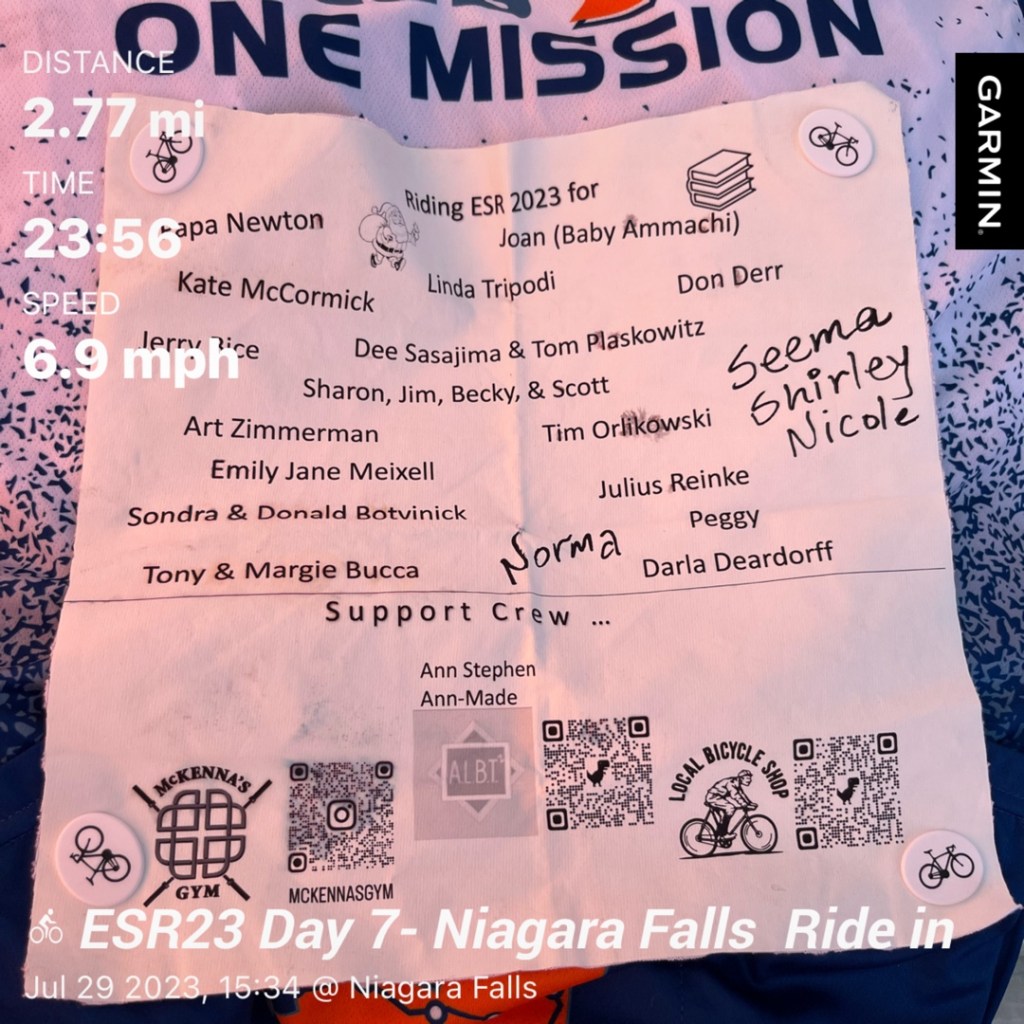
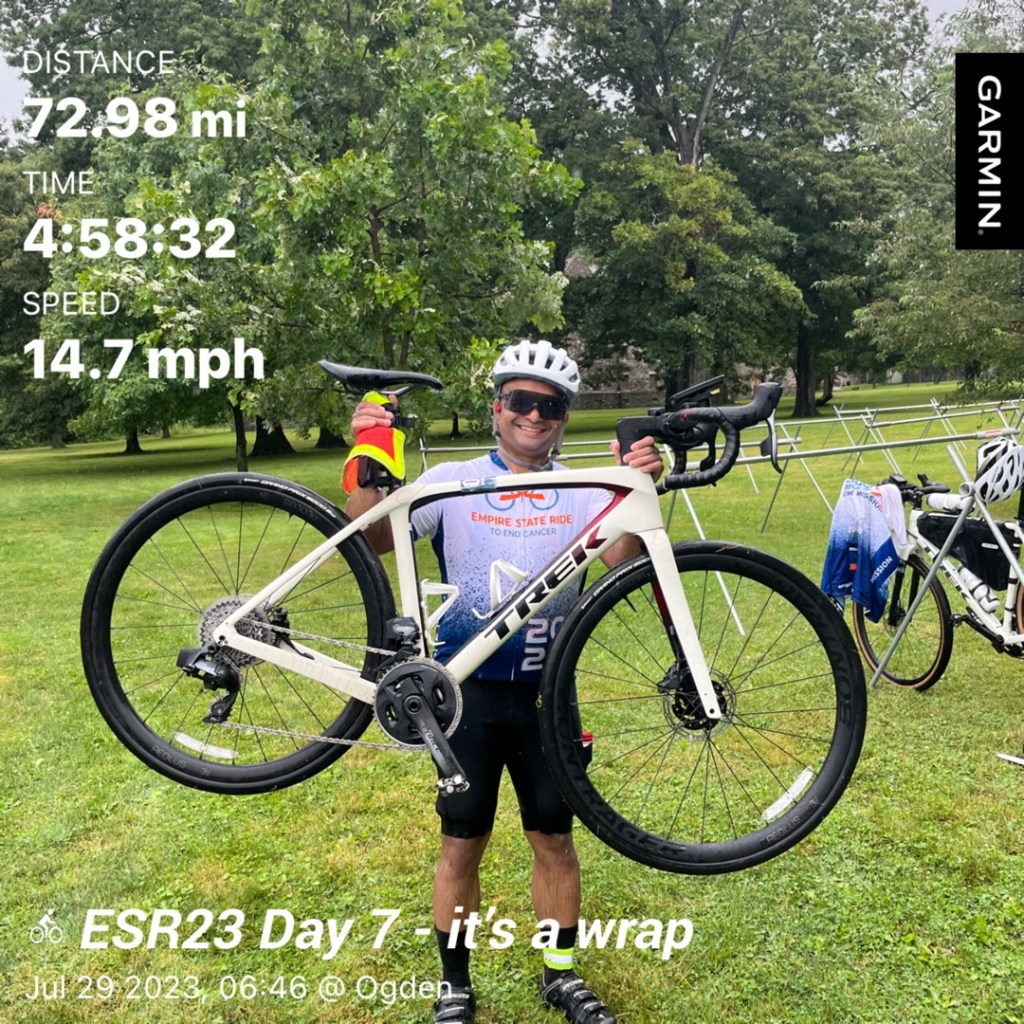
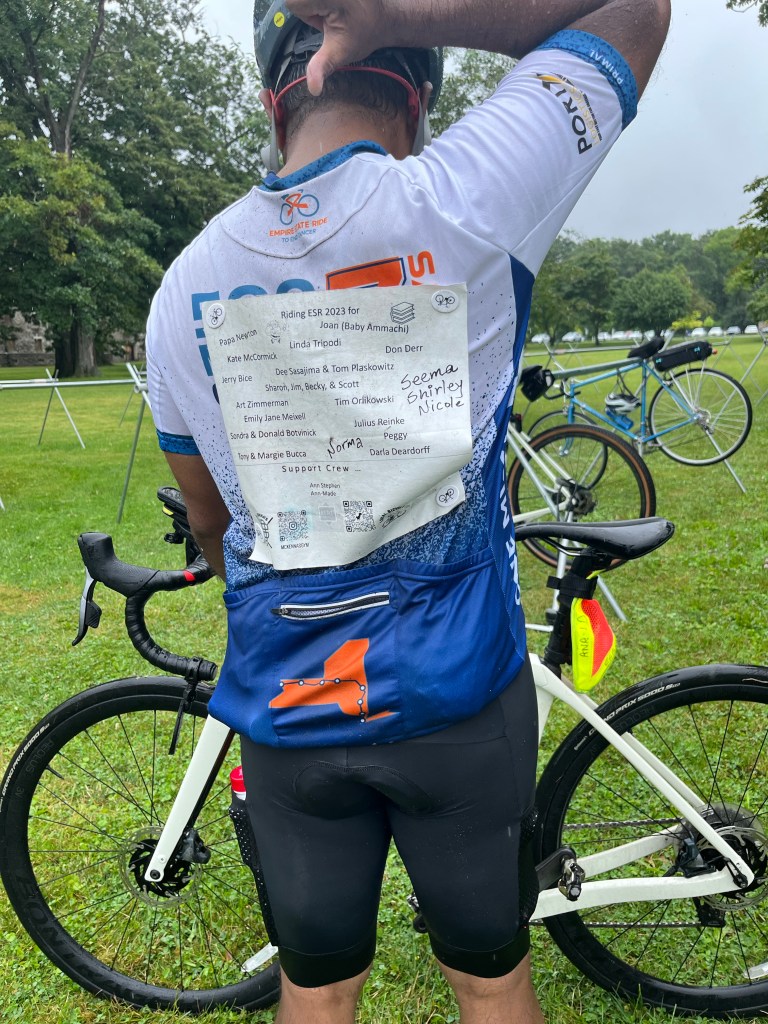
It’s a wrap! We rode more than 70 miles in torrential downpour. Final three miles were amazing as we rode together: patients and survivors, followed by premier donors and the rest of us. More than 300 of us rolled in with support of police escort.
ESR23 mileage: D1 = 62.78; D2 = 79.84; D3 = 77.25; D4 = 100.36; D5 = 84.14; D6 = 83.79; D7 = 72.98, 2.77 — total of almost 564 miles/ 903kms
Thank you all for your support!
Pictures from Day 7…

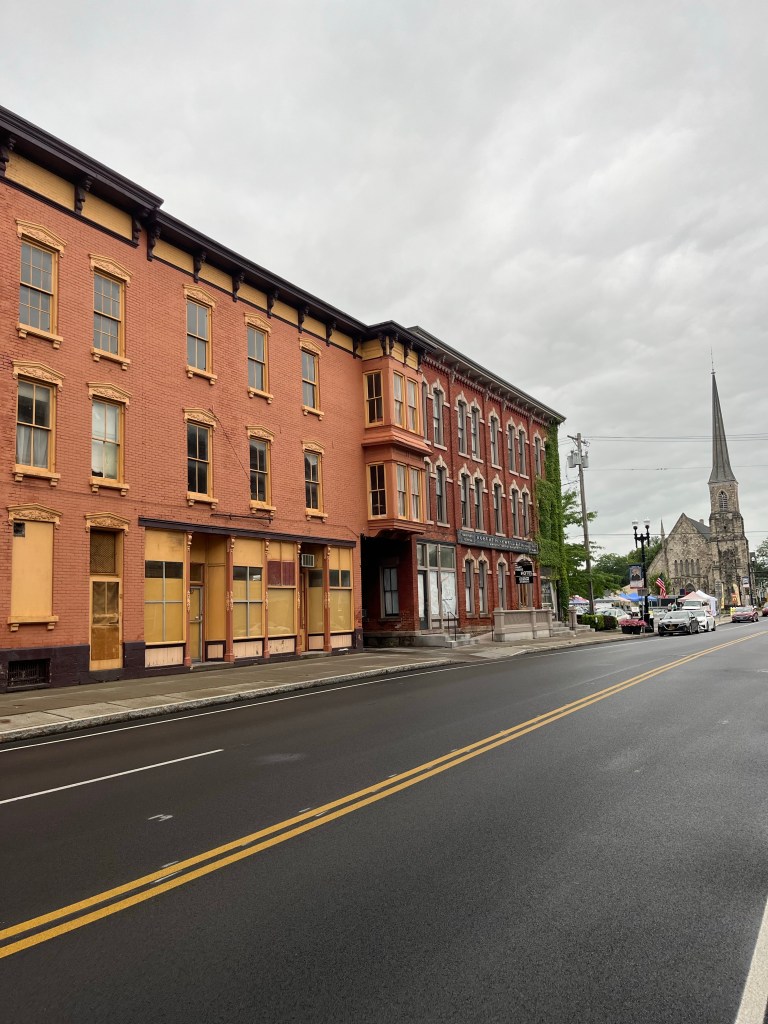
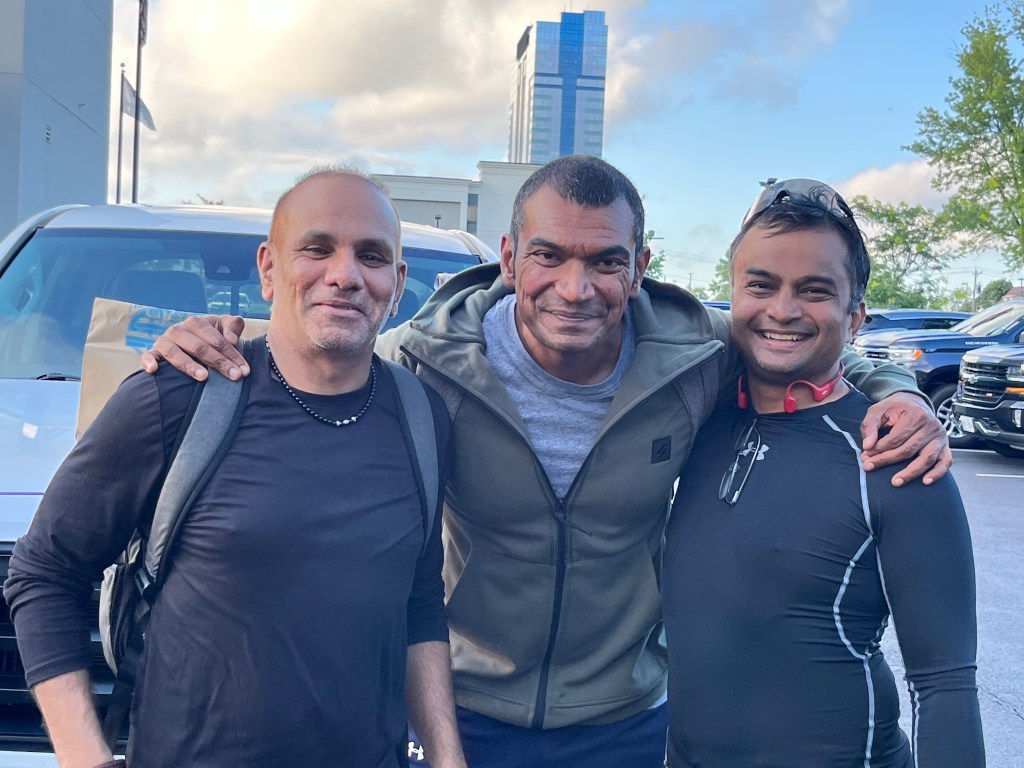
-
Final stretch day 6 of 7. Nothing major to report. Rode through 90 degree heat for about 85 miles all for a great cause. And yeah got stung by a bee with 30 miles to go!
Pictures from Day 6…
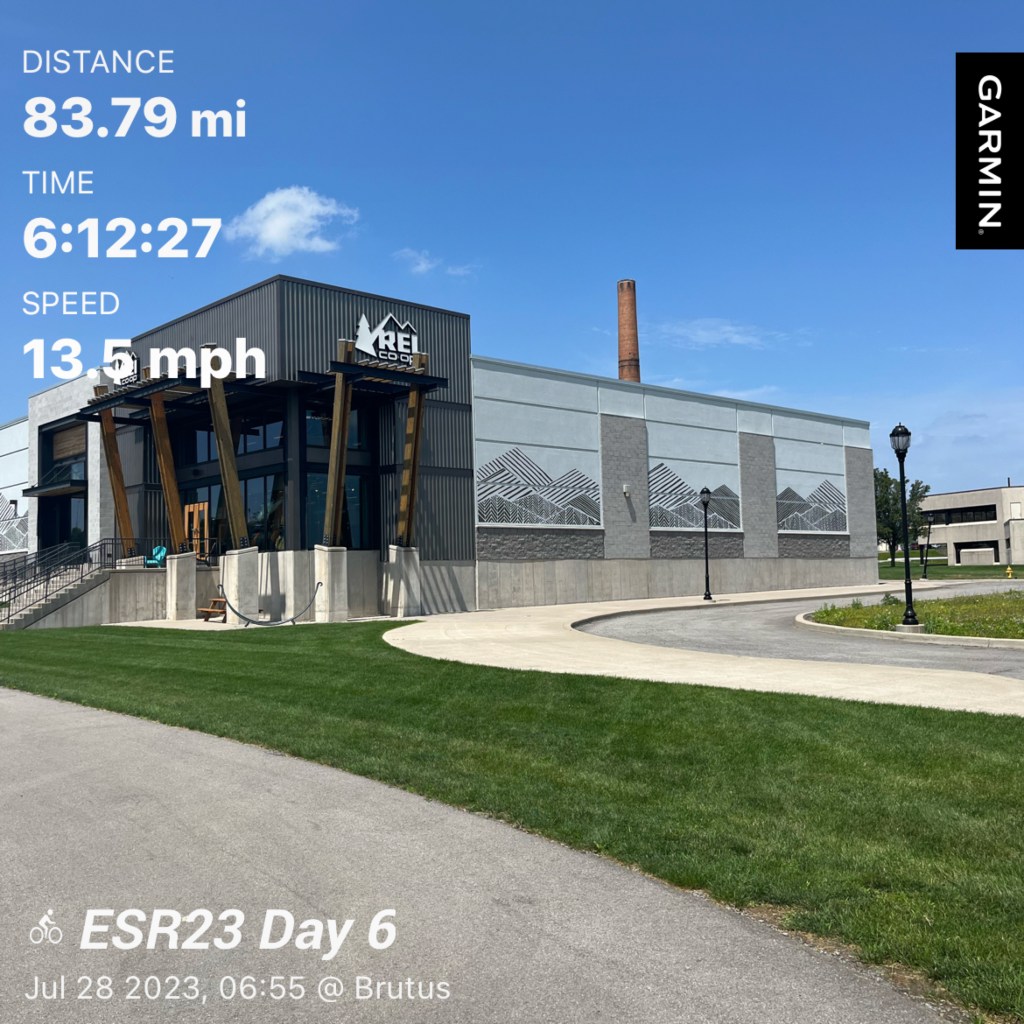
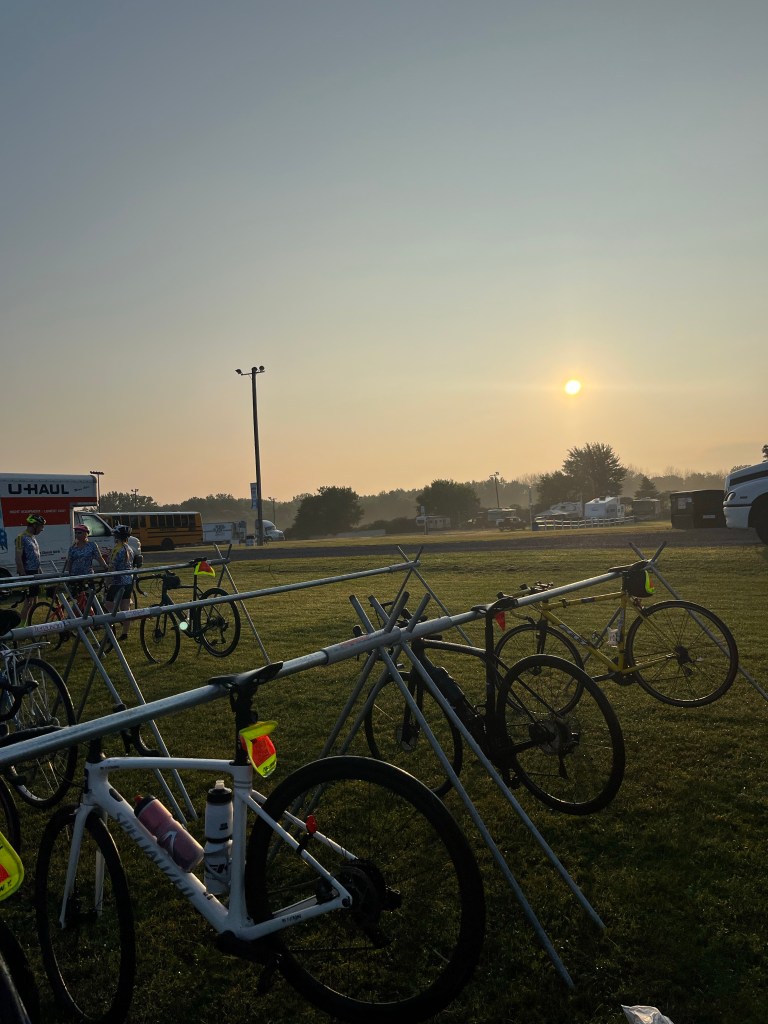
-
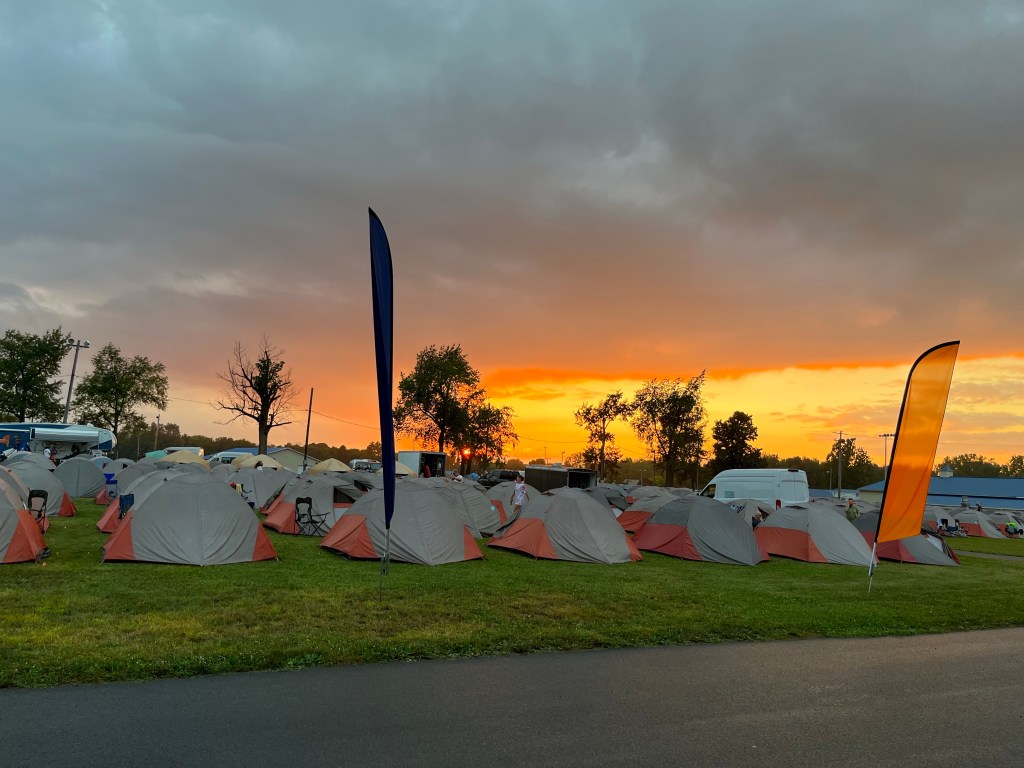
Day 5 was a very interesting and difficult 85 miles of pedaling. However, it was a story of human spirit!
As the rolled out of the campsite, it started to rain —- in fact it started to rain before 4 am. Throughout the day we had the experience of riding through rain, thunderstorms, strong crosswinds and blistering heat. But all that does not say anything about today.
Around mile 37, I stopped at an optional rest stop — the only restaurant we stopped at so far. Typically, I keep to myself. A older gentleman, part of the ride stopped asked if he could sit next to me. I said of course.
We started talking and exchanging life stories. His name is Rick and is about 67. He told me it’s been four months since his chemotherapy for cancer. And that he is happy to ride 550 miles.
Then somehow we started talking about hospitals. I shared that I was in a near fatal car crash about 25 years back. As I was telling him I was airlifted to the hospital and that saved my life. He went on to say he was a medvac helicopter pilot in Maryland for 18 years. Rick had saved many lives like mine in his career! And now riding to raise money for cancer research a mere four months after his chemotherapy. A serendipitous encounter.
Triumph of the human spirit!
Pictures of Rick!
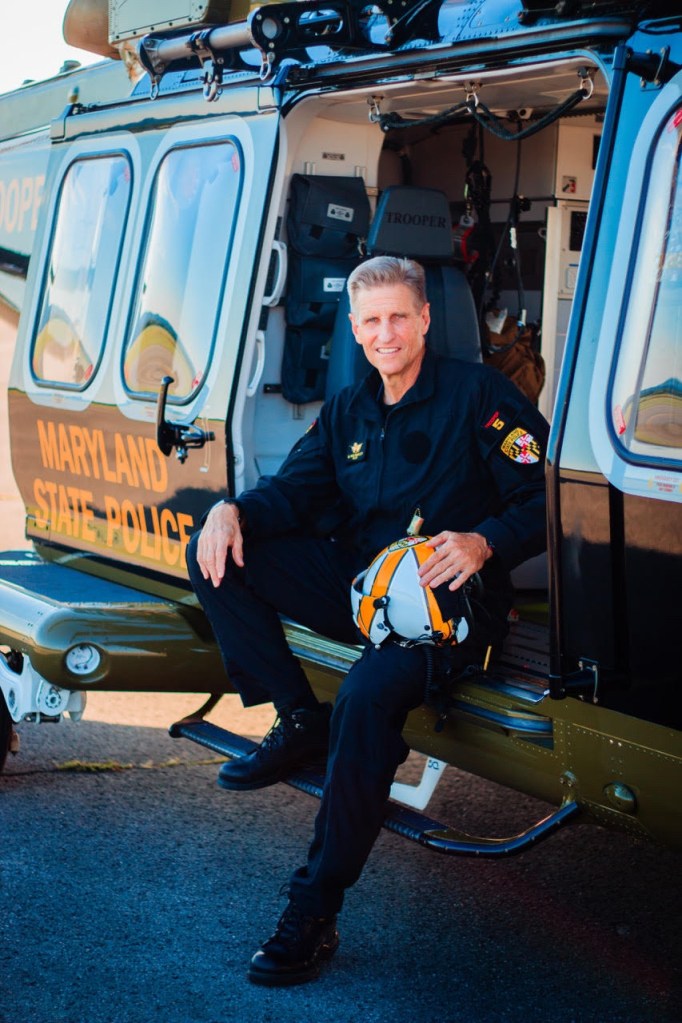
Rick as Medvac helicopter pilot 
Rick and me Sharing a few pictures from day 5!
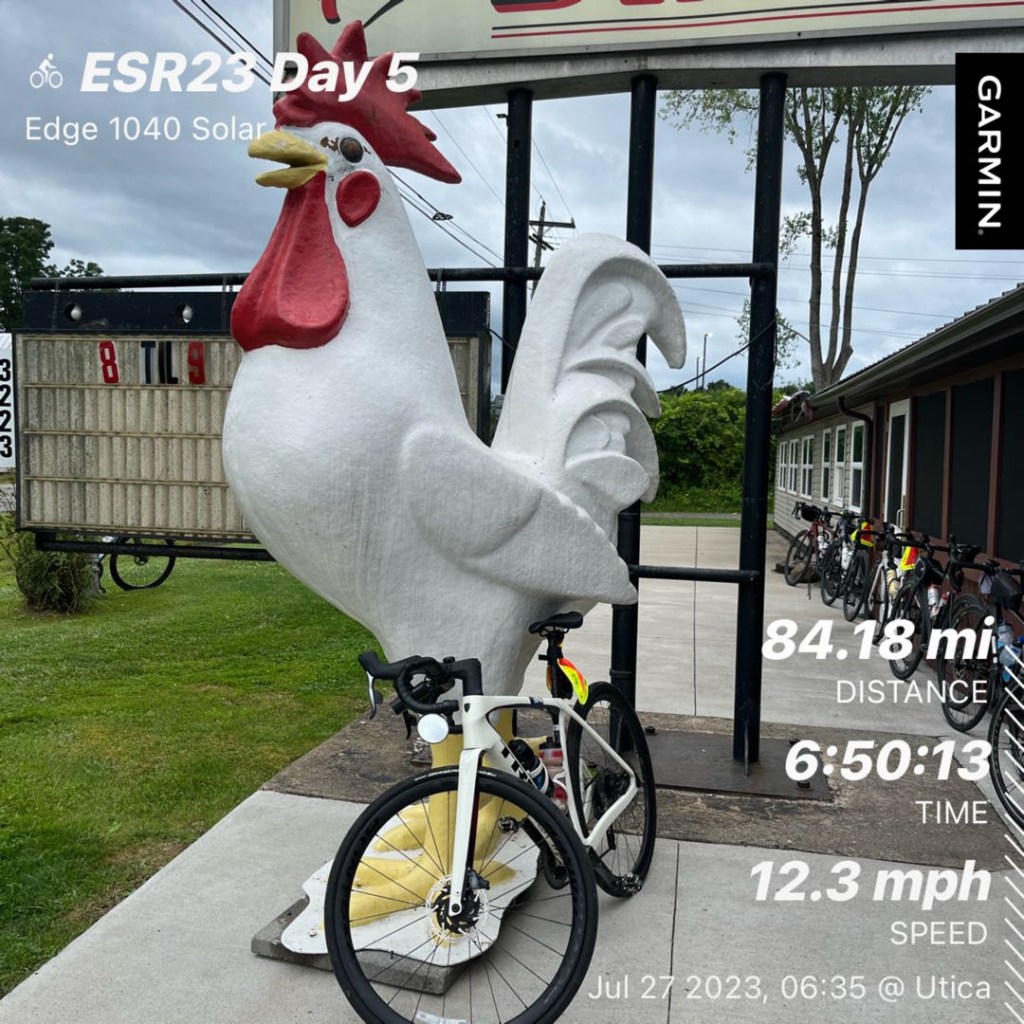
-
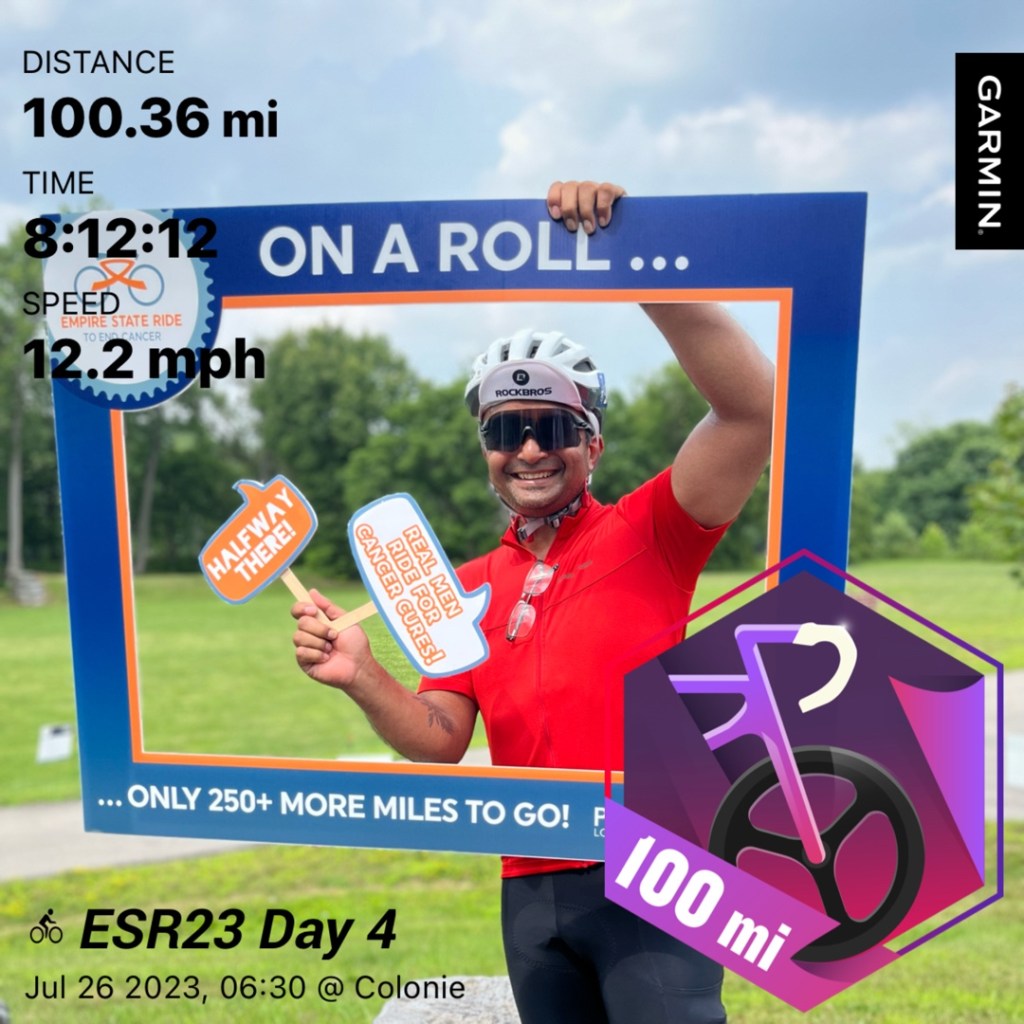
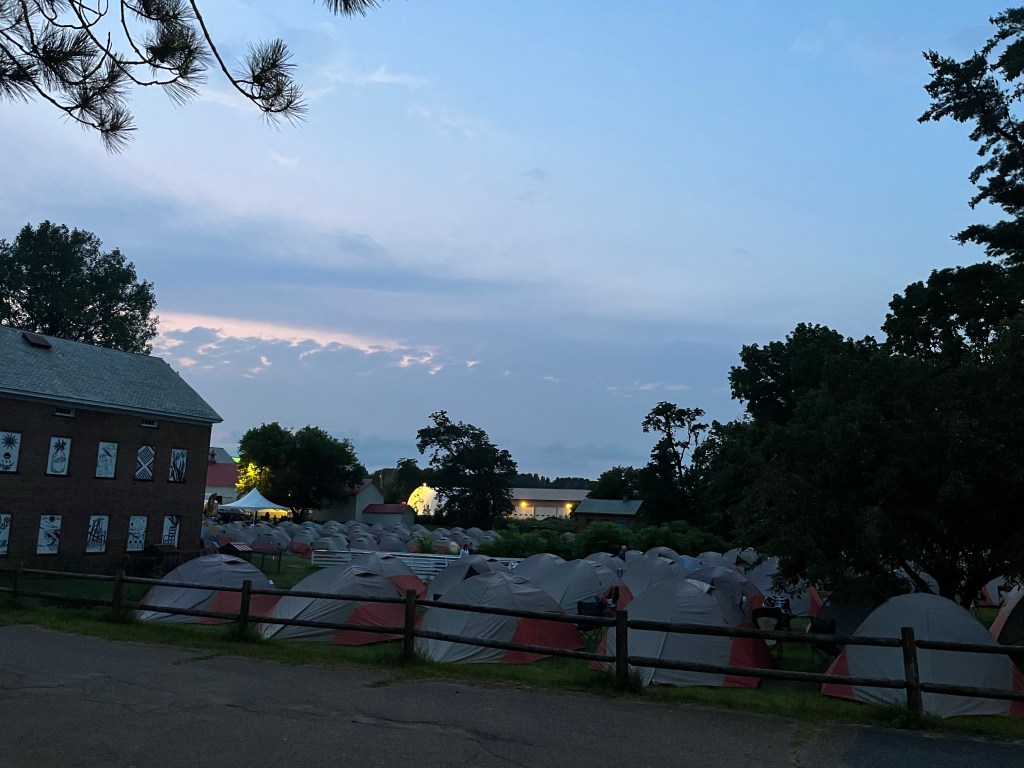
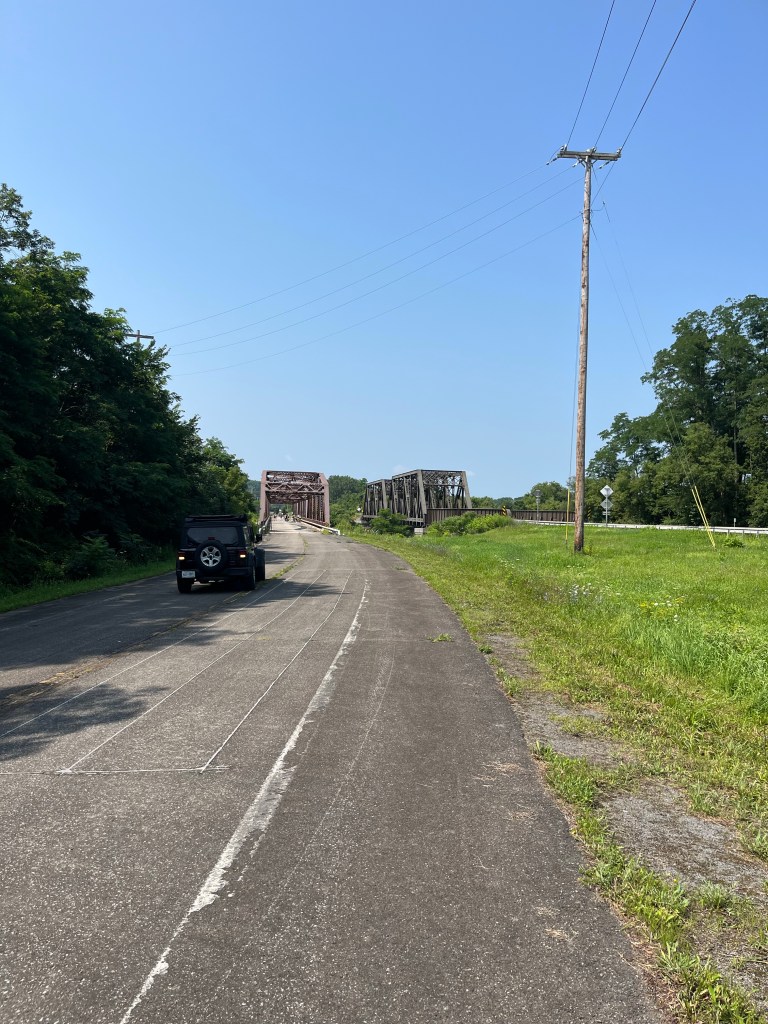
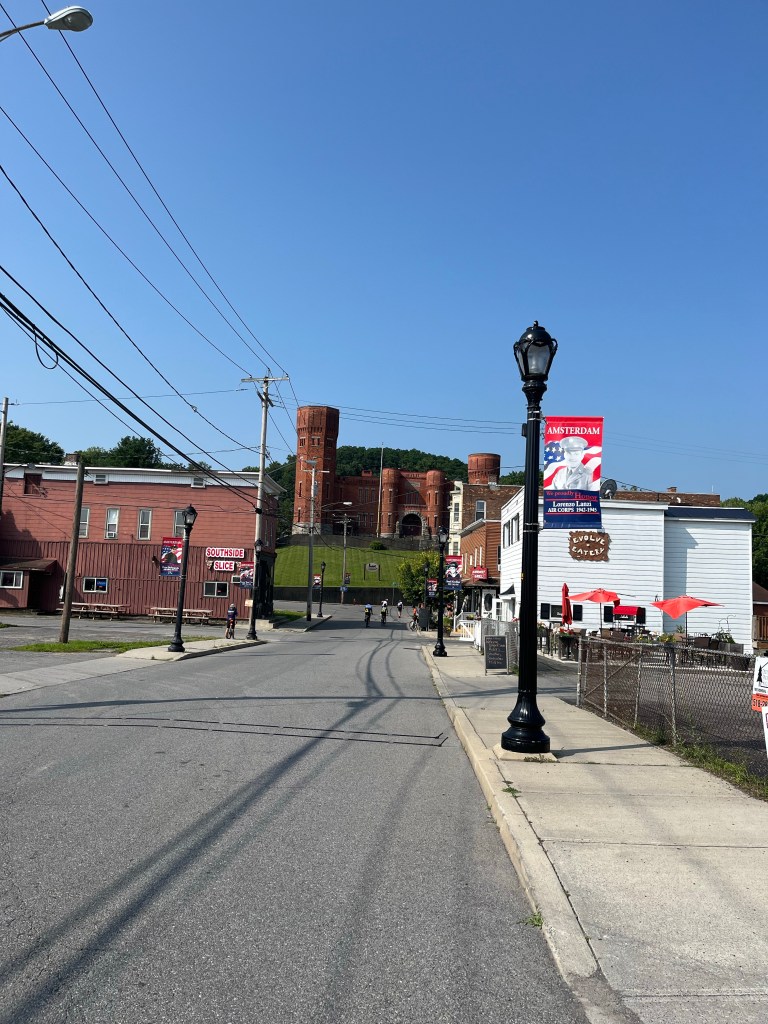
So this was my second imperial century of the year. This one, however, was with a damaged knee. Anyways I made it to finish line honoring all those who struggled with cancer.
Sharing a few pictures from day 4!
-
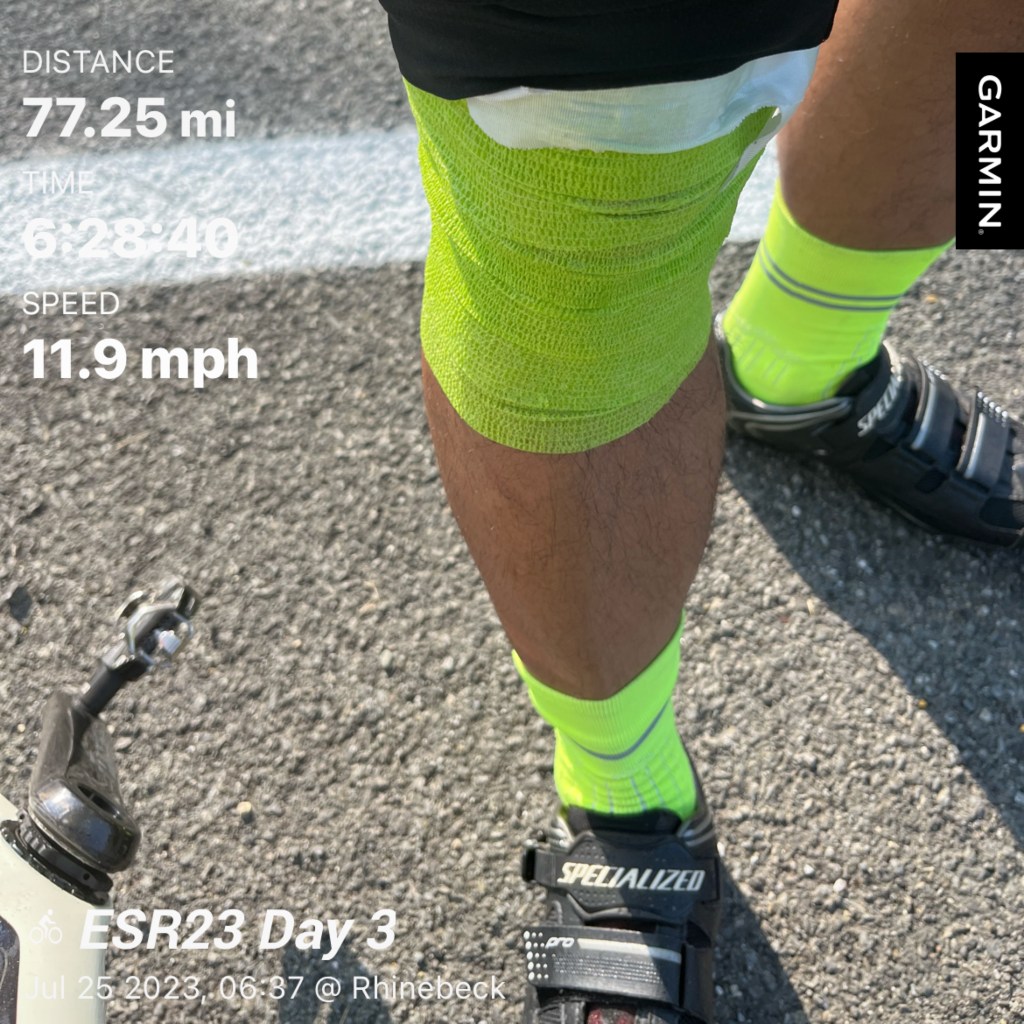
The goal for today was about 80 miles to get to Albany. The start was great. Then about mile 10 my right knee started to hurt.
I couldn’t pedal uphill while seated on the saddle. So for next 10 miles, I put only about 10 percent effort with my right knee. At mile 20 was the first rest stop, an athletic trainer wrapped my knee and gave me some pain killers and topical pain spray.
For miles 20 to 40, the second rest stop I was able to use about 40 percent of my right leg. At the 40 mile rest stop, a doctor part of the medical team took care of me. A mechanic adjusted the bike. And a total stranger gave me his topical pain spray. For the rest of the ride, I made it using about 70 percent of my right leg.
Papa Newton and Baby Ammachi (Joan) were my inspiration today to keep going. Not only did cancer take them too soon, it did so in a painful way.
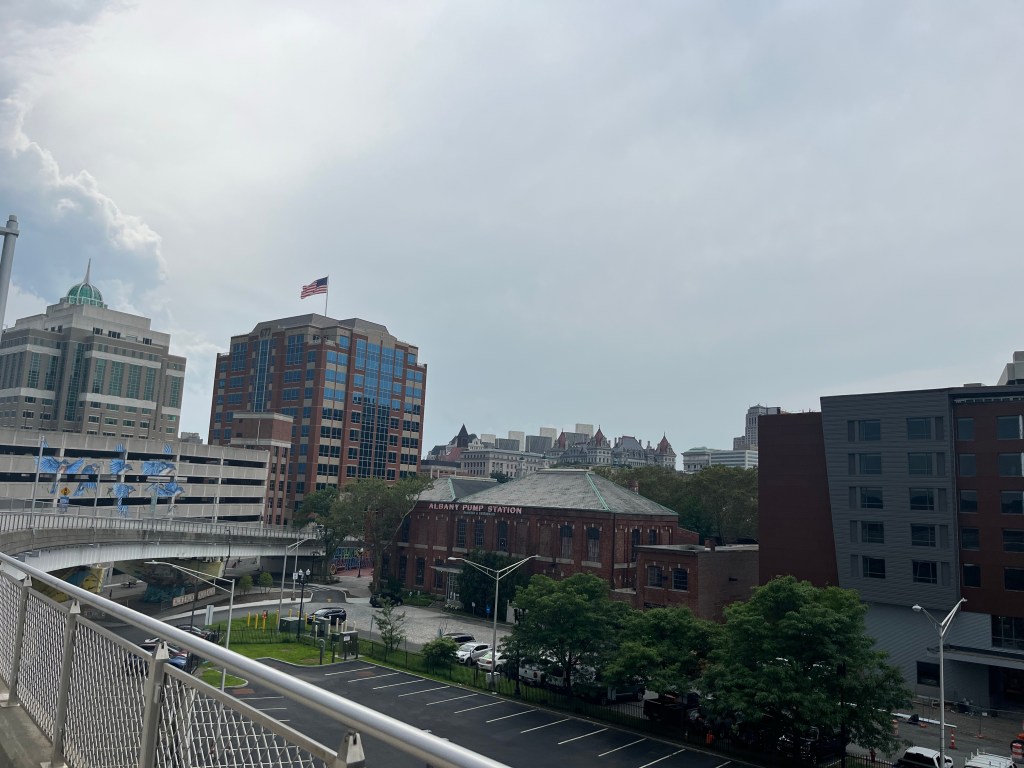
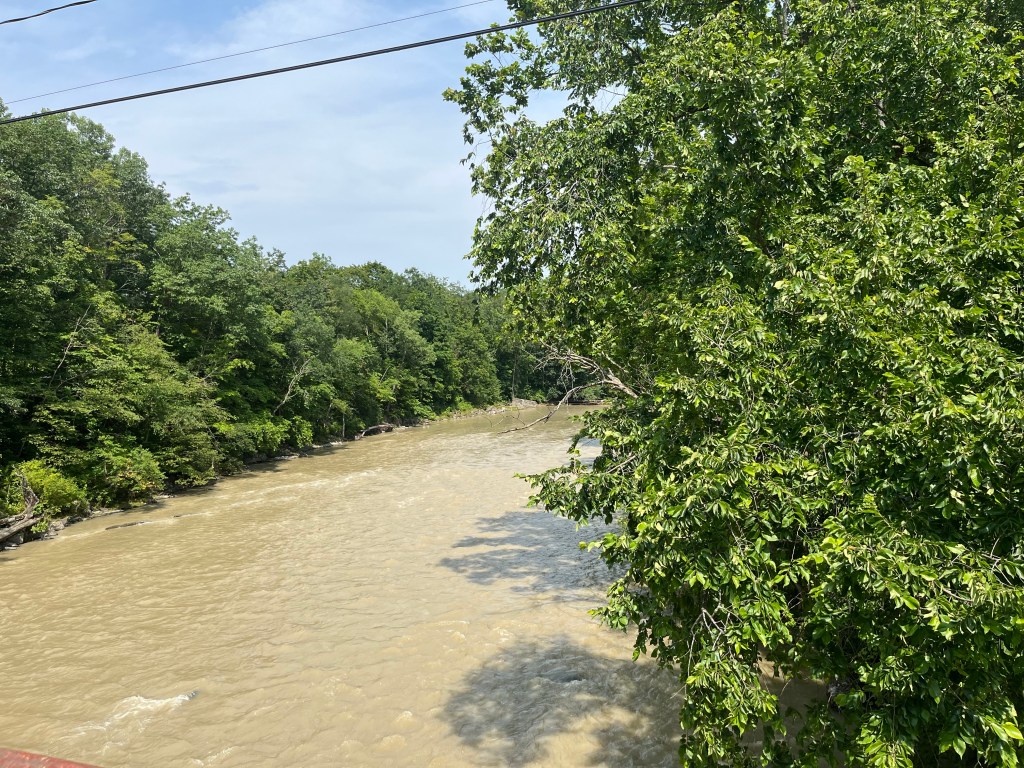
Sharing some pictures from day 3:

-
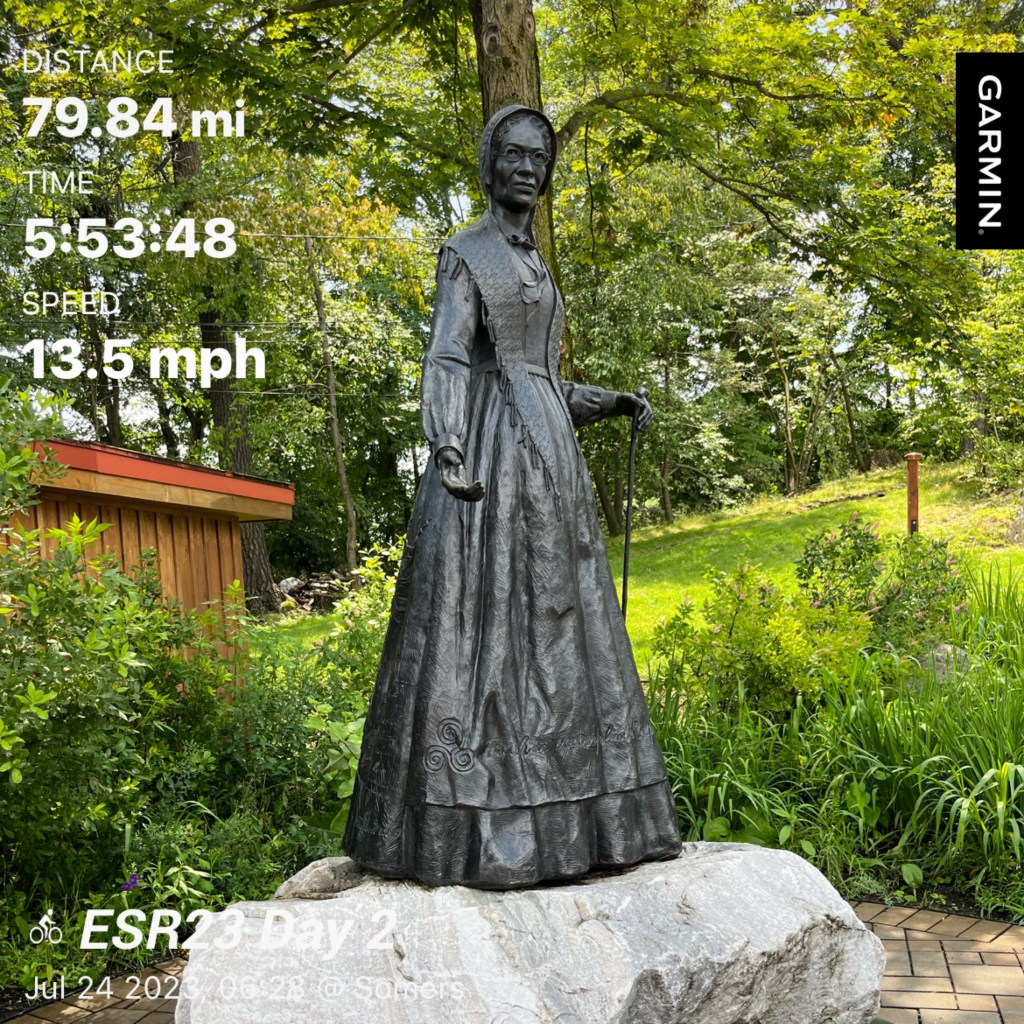
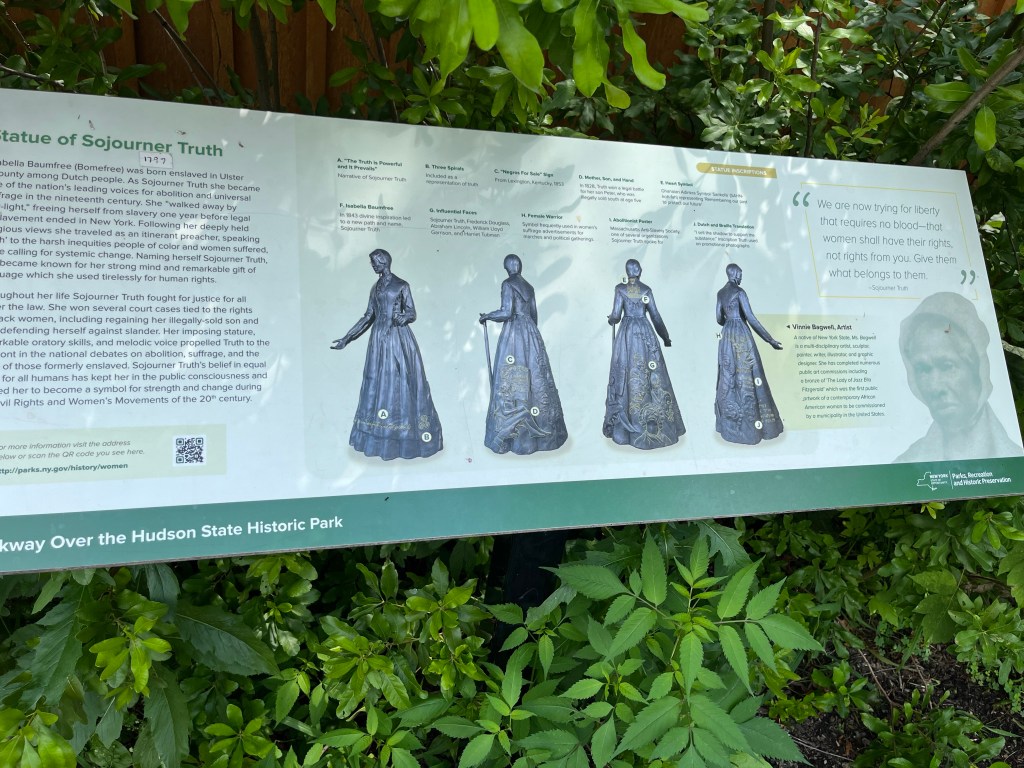
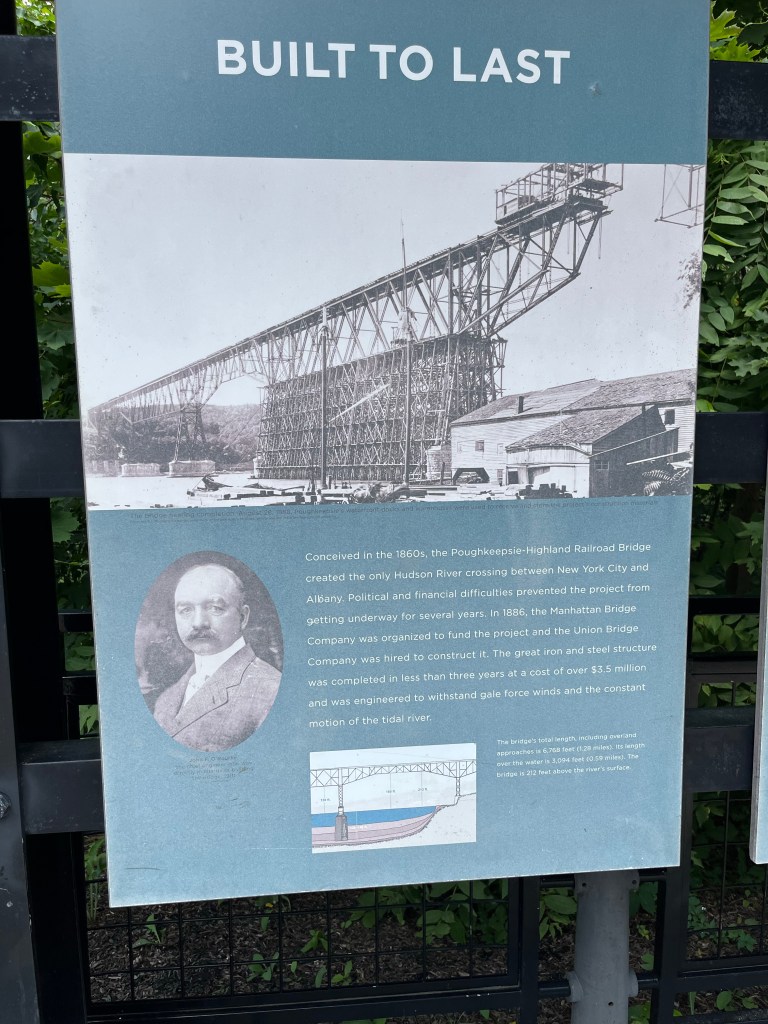
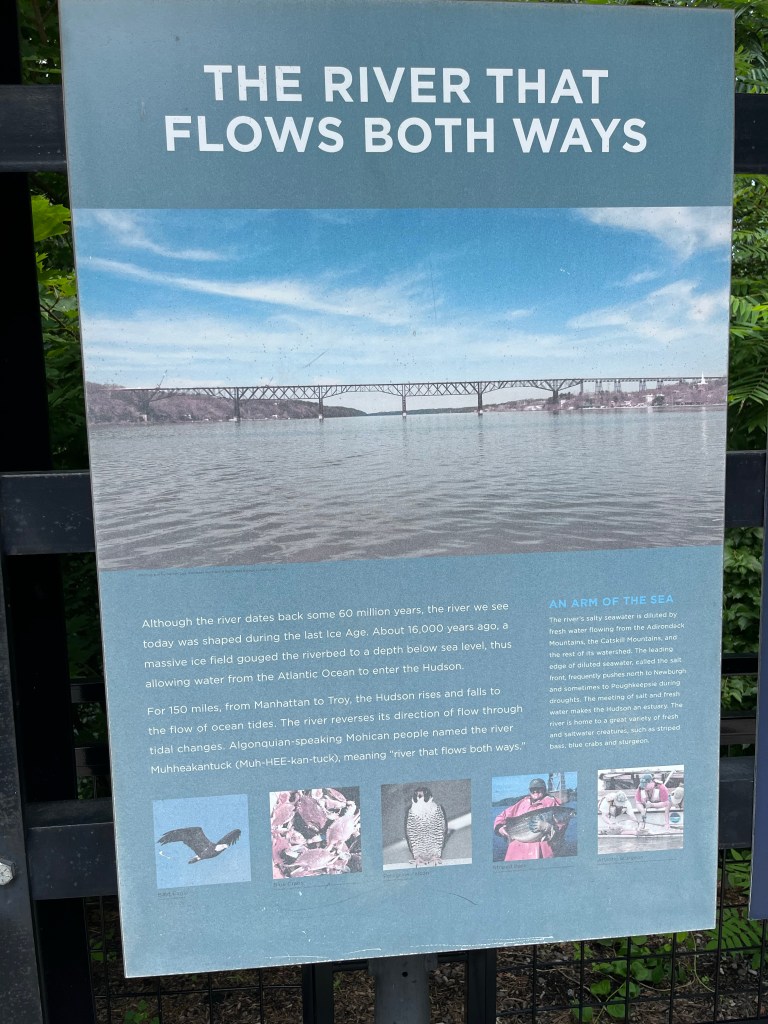
We set off early to ride 80 miles from Somers to Rhinebeck in NY. We rode through sweltering heat and thunderstorms, all for a great cause — funding cancer research!
Sharing a few pictures from day 2!

 Infrastructure Tales